


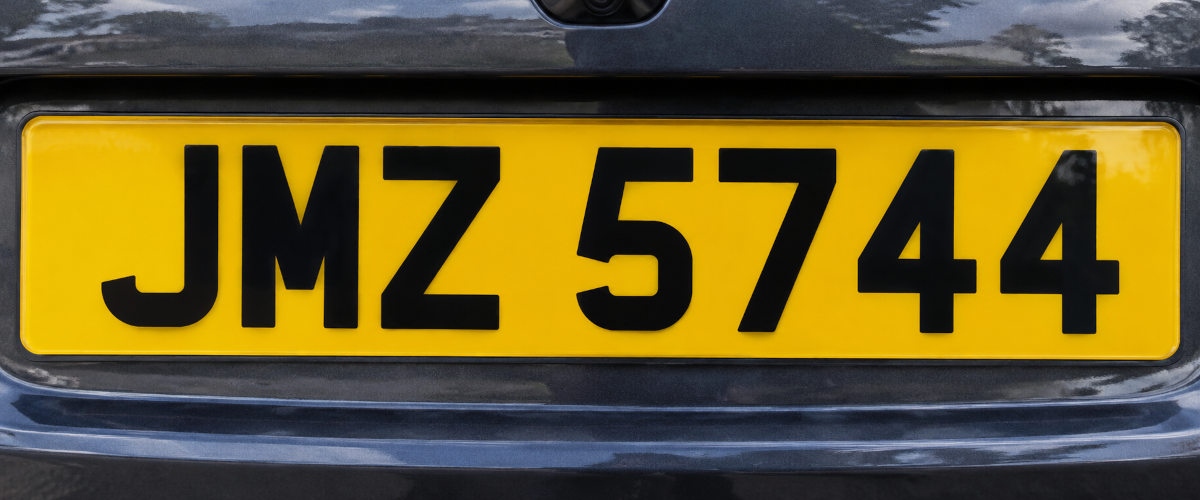
Discovering that your number plate has been cloned can be distressing, expensive and frustrating. But there are steps you can take to quickly put the episode behind you, including changing your own vehicle's registration number.
A vehicle registration number is something most motorists rarely think about. It identifies their vehicle, appears on official documents and is recorded by cameras on roads and in car parks across the country. But what happens when someone else starts using that same registration number?
A GROWING CONCERN
Number plate cloning is a growing concern for UK motorists, and for the innocent victims, the consequences can extend beyond the inconvenience of receiving an unexpected parking ticket.
From speeding penalties and congestion charges to police enquiries and the possibility of being associated with criminal activity, having your number plate cloned can quickly become an unsettling experience. But there are practical steps victims can take to protect themselves from further disruption.
WHAT IS NUMBER PLATE CLONING?
Number plate cloning is the act of copying a legitimate vehicle registration number and displaying it on another vehicle without authorisation. Criminals may deliberately choose a registration belonging to a vehicle of the same make, model and colour, making it more difficult for enforcement cameras or authorities to distinguish between the genuine vehicle and the rogue imposter.
Reputable suppliers of physical number plates will not supply plates without proof of entitlement. We at NetPlates frequently turn away potential plate buyers who turn up at the office with "cash and carry" expectations. And we're also seeing new service providers introduce tech tools to help plate-makers keep their sales strictly legitimate. Additionally, DVLA plate-making rules stipulate that a manufacturer must be identified on their plates. So plates with no manufacturer ID can instantly be identified as legally non-compliant. All of this helps keep the majority of plates legitimate. But it only takes one dodgy dealer to start running up plates with "no questions asked", and cloning becomes a danger.
A cloned registration could then be used to avoid parking charges, speeding penalties and other enforcement measures, or to disguise a vehicle involved in criminal activity. The registered keeper may know absolutely nothing about what's happening until an unexpected letter arrives through their door.
HIDDEN CONSEQUENCES
Imagine opening a letter containing a speeding allegation from a location hundreds of miles away - somewhere you may never have even been. You know you weren't there. Your vehicle was safely parked outside your home or workplace. Yet the notice is addressed to you.
Then another notice arrives… Even once you've worked out what's going on, it's a harrowing experience.
Importantly, a penalty notice relating to a cloned vehicle doesn't make a cloning victim guilty of the offence. However, the burden of responding to notices and demonstrating that a vehicle was not involved can still be hugely disruptive.
POSITIVE ACTION
If you suspect that somebody is using your registration number, you should act promptly.
The Police and the DVLA have introduced an jointly-operated online reporting process for suspected number plate cloning, designed to make reporting easier and improve information sharing between the two organisations. Reporting the theft to these official bodies is the obvious starting point - and the Police should be notified at the very earliest opportunity.
You should also respond to any penalties or enforcement notices you receive, explaining that you believe your registration has been cloned. Retain evidence such as photographs, CCTV footage, receipts or other information demonstrating your vehicle's whereabouts. Even after reporting the matter, further notices may continue to arrive until the imposter is identified.
And there's another recommended action, which can help put a lid on the nightmare even if the offender is still at large and escaping detection.
CHEAP REPLACEMENT TO THE RESCUE
Here's an important question:
If somebody else is abusing your registration number, why should you have to continue using that same number yourself?
And the answer is, you don't. You can change your vehicle's registration number at any time. By assigning a different, legally registered number to your vehicle, you effectively sever that vehicle from anything the offender is still doing with the clone. Your vehicle is completely re-registered, and is no longer associated with the cloned registration. In terms of recognition, it's as if you're driving a new car.
If you replace your registration with a NetPlates stock option, you'll encounter a fast, smooth and straightforward process, along with a very low price for your replacement number plate. Our team of experts will take care of the transfer for you. You simply choose and order your plate, and we do the rest. And with base prices starting (at the time of writing) at around £40, you'll be able to step away from a bad experience without prohibitive expense. All private transfers are subject to the DVLA's standard £80 fee, but even with that budgeted in, you can look forward to a fresh start without breaking the bank. Having to pay anything at all for someone else's misdemeanours is no joke. But customers tell us they feel safer after changing their plates, and there can even be advantages to fitting a private plate…
If you wish, you can turn a negative into a positive by choosing a dateless registration for your replacement. Dateless registrations are so-called because they don't indicate a date of issue. They're something many drivers will purchase without any other motivation than the desire to remove the "age-stamp" from their vehicle. But that's only one of the advantages that come with dateless plates:
- No one can see your vehicle ageing. Only an extremely knowledgeable number plate expert can tell when a dateless plate was issued, so regular road-users will no longer be able to attach a year to your car - or other means of transport. Your pride and joy can age gracefully, with no pressure for you to update it based on "what the neighbours might think". With a dateless plate, "what the neighbours think" immediately becomes "what the neighbours don't know" or "what the neighbours can't remember".
- Dateless registrations sidestep the DVLA's rule on year compatibility. The rule states that a driver cannot make their vehicle appear newer than it really is. So it would not be possible, for example, to assign a 2020 registration to a 2018 car. But because dateless registrations have no perceptible year markings, they never make a vehicle look newer than it really is, and therefore the DVLA will assign them regardless of age.
- And the previous point comes into its own if you ever decide you want to sell your replacement reg. Any plate has the potential to appreciate in value over time, but dateless plates bought cheaply can do particularly well - in part because no potential buyer is excluded by the DVLA's compatibility rule.
YOU MAY BE ABLE TO GET A FREE REPLACEMENT PLATE
It should be stressed that the DVLA may be able to provide a replacement age-related registration number free of charge to assist a victim of number plate cloning. You'd need to check directly with them whether this is possible in your case. However, in the event that the DVLA agrees to provide a free replacement, there would be no choice on the actual registration, and the advantages cited above would not apply.
MOVE ON AND RESTORE THE ENJOYMENT TO YOUR JOURNEYS
Ultimately, no one should feel bound to a registration number that a criminal has chosen to misuse. And we're here to tell you that you're not. Whether you replace your registration privately, or the DVLA are able to help you with a free replacement, you'll be starting anew, and on the road, it will be, in future, as if the cloning episode never happened.